

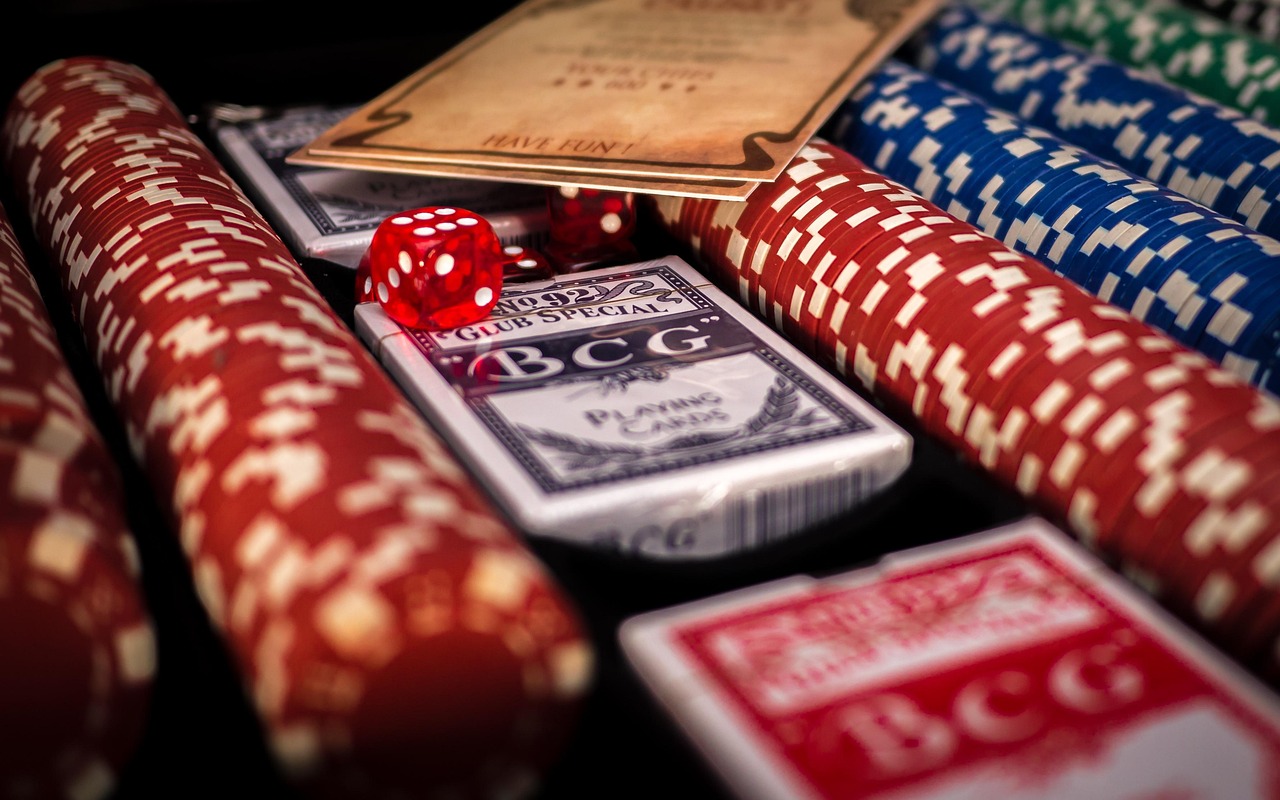
Every casino floor tells the same story in a different language. Walk past the velvet ropes at a high-limit blackjack pit in Macau, then wander through the LED-drenched gaming floor of a Las Vegas mega-resort, and you'll hear the same rhythm: chips clacking, cards whispering, the electronic chirp of a slot machine hitting a bonus round. The math hasn't changed since Blaise Pascal traded letters about probability in the 1650s. What has changed is the player. The modern gambler has spreadsheets, tracking software, and a Discord server full of people who argue about variance like it's a religion. That's the gap this article lives in — not the fantasy of guaranteed riches, but the reality that a small, disciplined subset of players genuinely extracts value from games designed to take it.
Slots: The Most Misunderstood Game on the Floor
Ask a casual player what the best slot machine is and you'll get answers built on superstition: "the one that just paid," or "the machine by the aisle, they loosen those up." Both are nonsense. Every spin on a modern video slot is an independent event governed by a random number generator that cycles thousands of times per second. The only number that matters is Return to Player (RTP), and even that is a long-run average, not a promise for your session. There is a useful overview at สล็อตเว็บตรง.
Here's what actually separates informed slot players from tourists:
- They check the paytable before spinning. A slot with 96.5% RTP and low volatility will grind you down slowly. A 94% RTP slot with extreme volatility might pay 5,000x — but you'll likely need a bankroll of 500+ spins to have a realistic shot at that hit.
- They understand hit frequency. Some slots pay something on 1 in 4 spins. Others pay on 1 in 30. Neither is better — they suit different bankrolls and temperaments.
- They avoid progressive jackpot slots for anything other than entertainment. The base game RTP on many progressives drops to 88-92% because a slice funds the jackpot. The expected value only becomes favorable when the jackpot climbs far above its reset value, and even then, you're competing against thousands of other players.
Megaways slots deserve their own footnote. The 117,649-ways format popularized by Big Time Gaming multiplied the volatility ceiling without changing the underlying math. Great fun, brutal on undisciplined bankrolls.
Blackjack and Poker: Where Skill Actually Moves the Needle
This is where the conversation gets interesting, because blackjack and poker are the only two games in a typical casino where a knowledgeable player can push the edge toward zero — or past it.
In blackjack, basic strategy reduces the house edge from roughly 2% to about 0.5% on a standard six-deck game with reasonable rules. Card counting can theoretically flip the edge to 1-2% in the player's favor. The catch is real, though: casinos ban counters the moment they identify them, and the games with the best rules (single deck, 3:2 payout on blackjack, dealer stands on soft 17) are increasingly rare. Most Strip games now pay 6:5 on blackjack, which alone adds 1.4% to the house edge. That single rule change turned thousands of would-be advantage players into slot players.
Poker is a different animal because you're not playing against the house — you're playing against other people, and the house just takes a rake. That means a skilled player can win consistently. But "skilled" is doing a lot of work in that sentence. Consider what separates winning poker players from the rest:
- Position awareness. Acting last in a hand is worth more than most players realize. A marginal hand on the button can be profitable; the same hand in early position is a leak.
- Bankroll management. A winning player at $1/$2 no-limit hold'em typically needs 20-30 buy-ins ($4,000-$6,000) to survive normal variance. Anyone playing with two buy-ins is effectively gambling, not playing poker.
- Range thinking instead of hand guessing. Amateurs wonder what their opponent has. Winners think in distributions — what range of hands makes sense given the action, and how does my hand perform against that range?
- Study time exceeding play time. Solvers, hand-history reviews, and equity training have become table stakes at any stake above micro-limits.
Sports Betting: The Line Is Smarter Than You
Online sports betting exploded after the 2018 repeal of PASPA in the United States, and the marketing has been relentless. What the ads don't tell you is that the closing line — the final odds before an event starts — is one of the most accurate predictive tools ever created. Beating it consistently requires either information the market doesn't have, or a specific market inefficiency that hasn't been arbitraged away.
The practical takeaways for recreational bettors:
- Shop lines across multiple books. A half-point difference on an NFL spread is often the difference between a winning and losing season. Line-shopping is the single easiest edge available to anyone.
- Understand vig and implied probability. A -110 line implies 52.4% probability. Betting favorites blindly at -200 (66.7% implied) is a slow bleed unless your win rate exceeds that number.
- Specialize in niche markets. Player props, alternate totals, and lower-tier leagues attract less sharp money, which means softer lines. The NFL main market is a shark tank.
- Track every bet. If you don't know your actual ROI over a few hundred wagers, you don't know whether you're a winner or a lucky loser.
The Bankroll Discipline Nobody Wants to Hear
Silence is the hardest part of any gambling strategy. You deposit $200, run it to $800 on a lucky slot session, and immediately start calculating what you'll do with the next $800. That's the moment the casino gets its money back — not through rigged games, but through player psychology. The house edge doesn't need to beat you in a single session. It just needs enough time.
Three rules that separate survivors from statistics:
- Separate your gambling bankroll entirely from your living expenses. Different account, different mental category.
- Set loss limits before you log in, and write them down. Not in your head — written, visible.
- Take breaks on wins. The euphoria of a big payout is the number one predictor of giving it back.
The Honest Conclusion
The house edge is real. It pays for the chandeliers, the free drinks, and the billion-dollar software behind every online platform. But the edge is a long-run average spread across millions of hands and spins, and within that average there's room for skill, discipline, and informed decision-making. The players who treat gambling as entertainment with a cost — not as an income strategy — are the ones who walk away intact. And the small percentage who put in real study time, track results obsessively, and specialize? They're the reason casinos still politely ask card counters to leave. The math is beatable in a few narrow lanes. Everywhere else, your job is simply to be a player the house doesn't mind keeping around.


Coding is used in almost all aspects of life and work now, be it directly or indirectly. It’s not just for companies in the tech sector. “An increasing number of businesses rely on computer code,
Coding is used in almost all aspects of life and work now, be it directly or indirectly. It’s not just for companies in the tech sector. “An increasing number of businesses rely on computer code,
Coding is used in almost all aspects of life and work now, be it directly or indirectly. It’s not just for companies in the tech sector. “An increasing number of businesses rely on computer code,