

Why Shoulder Season Is the Sweet Spot
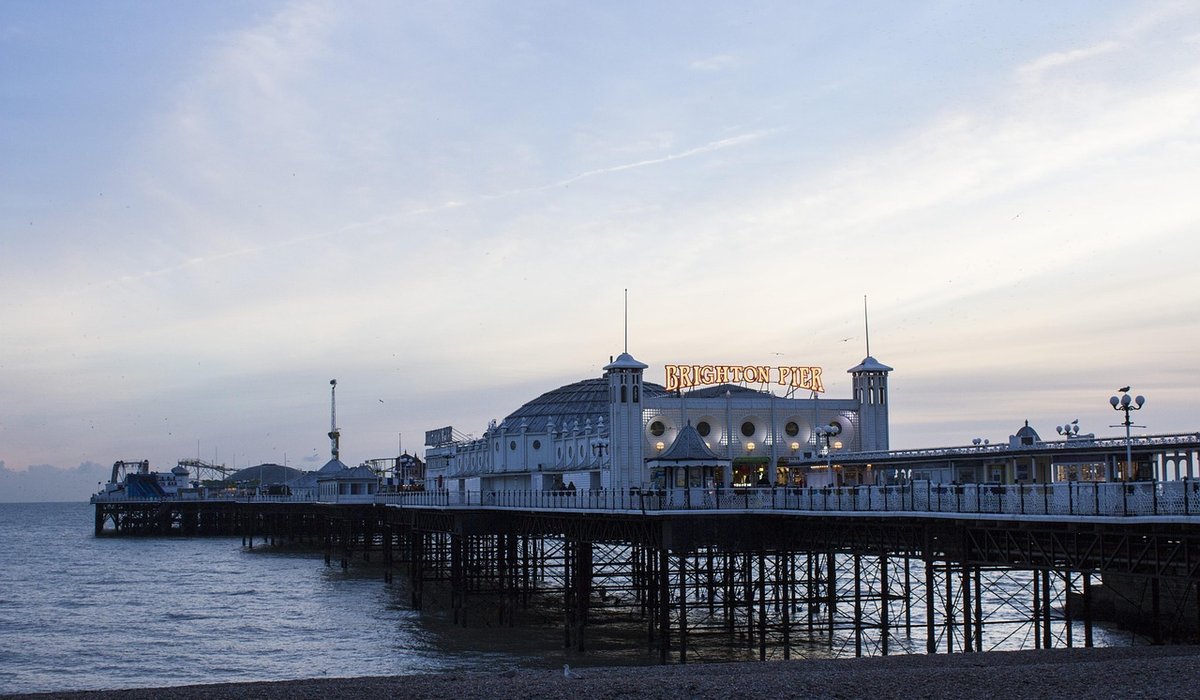
The British seaside is at its best in the narrow window either side of high summer. From late May to mid-July, and again through the first three weeks of September, you get the full repertoire — pier arcades, deckchairs, fish and chips eaten too quickly on a windy promenade — without queuing for any of it. Accommodation typically drops by 20 to 40 per cent, car parks have spaces, and restaurants will take a booking on the day. The sea, counter-intuitively, is at its warmest in September after a summer of sunshine.
What follows is a deliberately unfashionable shortlist. No resorts where you need to book a beach slot, and none where the charm has been priced out of reach.
Whitby, North Yorkshire
Whitby does the traditional seaside properly because it never had to try. The harbour is split by the swing bridge, the abbey ruins sit on the cliff, and the sands below the west cliff are a proper bucket-and-spade affair with the drama of a working fishing port behind them.
Come for the whalebone arch, the 199 steps and a paper cone of chips eaten on the harbour wall. The arcades are small and unglamorous, full of two-penny pushers and machines that dispense plastic trinkets — exactly as they should be. Stay two nights if you can; the evening light over the harbour is the reason people keep returning.
Out of season the beach is quiet before ten in the morning and after five. Check the tide tables posted at the harbour mouth, because the water comes in quickly across the sand. The Esk Valley line runs inland to Pickering, which makes a good wet-weather day out.
Southwold and the Suffolk Coast
Southwold is the most genteel entry on this list, and it knows it. The pier is short and beautifully kept, with a handful of amusements at the landward end and a quiet walk out towards the lifeboat station. Beneath the famous painted beach huts, families still put up windbreaks and boil a kettle on a camping stove.
The sea here is bracing rather than balmy, and the beach is shingle at the top with sand beneath. Walk south along the promenade towards the harbour for a gentler, less crowded stretch. The high street still has a butcher, a baker and a greengrocer rather than a parade of gift shops, and the ice-cream shops sell a dozen flavours made with local cream.
Parking is limited and wardens are keen, so arrive early or leave the car at the edge of town and walk in. The walk to Walberswick across the foot ferry is a fine half-day, tides permitting.
Tenby and the Pembrokeshire Coast
Tenby has three beaches, a walled town centre and a harbour full of painted houses — a combination that can feel almost too good to be true. In August it is heaving. In June or September it is a delight.
North Beach is the family one, with gently shelving sand and lifeguards in season. Castle Beach is smaller and better for rock-pooling. The arcades and ice-cream parlours are independent rather than chain, and you can walk the town walls in half an hour. Parking is the main headache, so arrive before breakfast or use the park-and-ride on the edge of town.
Tenby is also a fine base for the Pembrokeshire Coast Path. The short stretch to Saundersfoot is an easy half-day, with a bus back if little legs have had enough.
Llandudno and North Wales
Llandudno is the last great Victorian seaside resort, and it wears its history lightly. The wide curving promenade, the pier stretching out to sea, the tramway up the Great Orme — this is a town built for holidays and still very good at delivering them.
The pier is one of the best in Britain, long enough to feel like an expedition and stocked with precisely the right kind of tat. Mostyn Street is where to shop, the beach either side of the pier is sand and safe for swimming, and the Great Orme has wild goats and views across to Anglesey on a clear day.
Shoulder season here means late May to early July and September. Coach parties favour midweek, so weekends can actually be the quieter option.
Practical Pointers for a Traditional Break
- Time your tides. Buy a local tide table or check the board at the harbour. An hour either side of low water gives you the widest sand and the safest paddling.
- Pack for four seasons. A windbreak, a waterproof, sun cream and a jumper all earn their place in the boot, often on the same afternoon.
- Eat early. Seaside kitchens fill up by seven in season. A late lunch of chips and a wander beats a rushed dinner reservation.
- Carry coins. Arcade change machines are scarcer than they used to be, and the two-penny pushers still run on shrapnel.
- Book direct and midweek. Small guesthouses and B&Bs often hold back rooms and will do a better rate for a Tuesday to Thursday stay.
- Check the pier. Many open seasonally and some close in high wind, so ring ahead if the pier is the main draw.
Above all, resist the urge to fill every hour. The traditional British seaside break works because it is slow: a walk, a swim, an ice cream, a sit-down. Everything else is optional.


Coding is used in almost all aspects of life and work now, be it directly or indirectly. It’s not just for companies in the tech sector. “An increasing number of businesses rely on computer code,
Coding is used in almost all aspects of life and work now, be it directly or indirectly. It’s not just for companies in the tech sector. “An increasing number of businesses rely on computer code,
Coding is used in almost all aspects of life and work now, be it directly or indirectly. It’s not just for companies in the tech sector. “An increasing number of businesses rely on computer code,