

Why a Pebble Beach Demands a Different Picnic
A shingle beach is not a sand beach, and a picnic built for one will collapse on the other. Sand forgives: you can sink a wine glass into it, lay a towel flat, and let the wind skim over the top of your sandwiches. Pebbles do not forgive. They roll, they tilt, they hold the cold, and they turn an innocent paper plate into a runaway sail the moment a gust comes off the water.
The reward, though, is considerable. Pebble beaches are quieter than their sandy neighbours, the water is usually clearer, and the rattle of shingle as the swell draws back is one of the great sounds of the British coast. You just have to build the picnic around the ground and the wind rather than pretending they are not there.
Pack Food That Can Take a Bump
Think of the hamper as something that has to survive a short hike and a gusty landing, not a delicate spread. Sturdy, dense, hand-held food wins every time.
- Pork pies, pasties and sausage rolls — bought that morning, wrapped in greaseproof paper, still excellent cold.
- Scotch eggs and slices of mature Cheddar with oatcakes or a crusty cob. Hard cheese travels far better than soft.
- A whole loaf rather than sliced, and a small knife. Cut as you go; it stays fresh and gives you something to weigh the napkins down with.
- Apples, pears, a bag of radishes, a punnet of tomatoes — anything with its own skin and no dressing.
- Something sweet and solid: flapjack, shortbread, a fruit cake. Chocolate will bloom in the sun and melt in a warm bag.
Leave the quiche, the dressed salad and the clingfilmed trifle at home. Wet fillings leak, mayonnaise sulks in the heat, and anything light enough to catch the breeze will catch it. Crisps are a lovely idea until the third one leaves the bag at speed — decant them into a lidded tub with a folded tea towel pressed on top, or skip them.
Ground Layer First: Blankets, Weights and Windbreaks
Build from the bottom up. A waterproof-backed groundsheet or tarpaulin goes down first, because shingle holds damp and drains instantly into whatever you are sitting on. Over that, a thick wool blanket — heavy enough that it drapes into the lumps rather than hovering across them. Wool is worth the weight: it insulates, it shrugs off spray, and it does not flap.
Then weight everything. Four large pebbles, one on each corner, takes ten seconds and saves the whole arrangement. If you are sitting for a while, a low folding chair or a couple of cushions transforms a pebble beach from tolerable to genuinely comfortable, and lets you lean back against the ridge.
A fabric windbreak with wooden spars is the single best piece of kit you can bring. Set it at roughly forty-five degrees to the wind rather than flat-on, so it deflects rather than strains, and pile shingle along the base of each spar. Wrap the guy lines around a couple of heavy stones as well. On a really blowing day, tie the top corners to a rucksack filled with pebbles.
The Flask Is the Heart of the Hamper
Hot drinks matter more here than on a sunny sandy beach, because a shingle beach is cool underfoot and the breeze rarely stops. Fill a good vacuum flask with boiling water first, swill it round for a minute, tip it out, then fill properly — tea, coffee, or a thin soup you can pour into mugs. It will still be hot three hours later.
Bring one flask of hot and one of cold. Cold water, ginger beer or a bottle of something fizzy in a cool bag work better than trying to chill cans in the sea, which only works on a falling tide and ends in tears. Pack mugs with handles, a small bottle of milk, and a second small flask of hot water for rinsing sticky fingers. If you are carrying a cool bag and a flask, put them in separate bags — the flask warms everything near it, and the cool bag chills the flask.
Finding Shelter Behind the Shingle Ridge
Almost every pebble beach in Britain has a ridge — the raised bank thrown up by storms, sometimes localised as a berm, sometimes a shingle bank as tall as your shoulder. The windward side is where the wind bites and the spray lands. The leeward side, ten feet away, can feel like a different day.
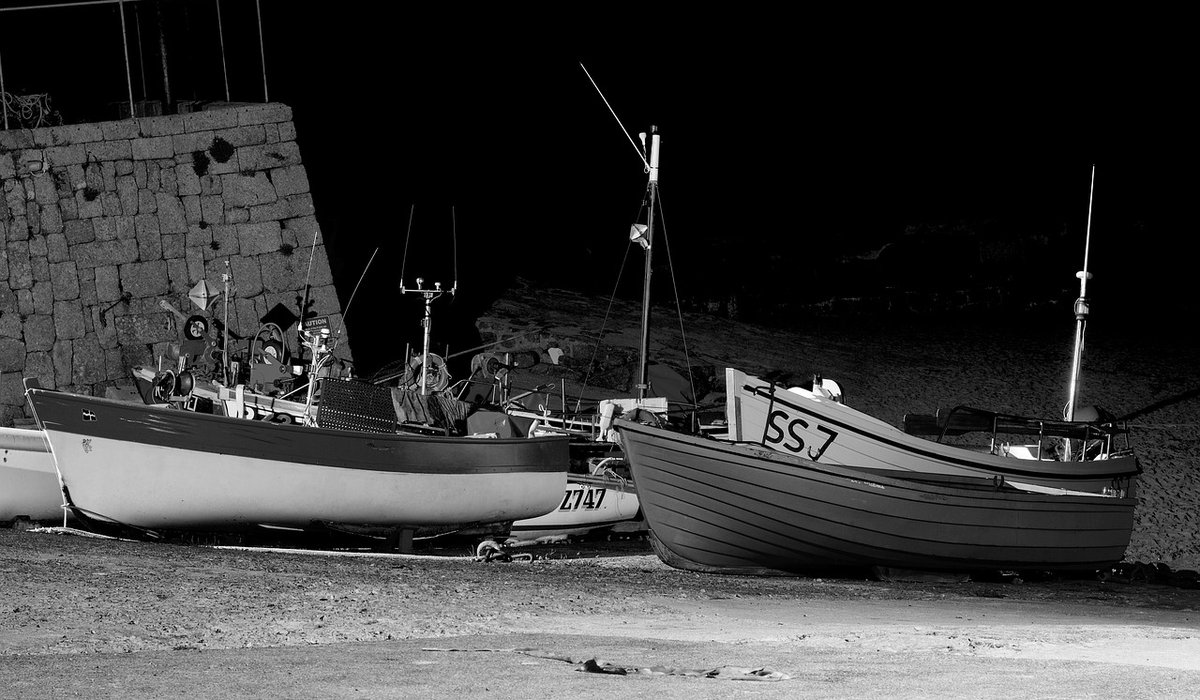
Walk the beach before you settle. Look for a dip or a low saddle in the ridge, a breakwater, a painted groyne, a sea wall at your back, or a beached dinghy hauled up for the winter. On a south-westerly, the western end of a bay is often the calmest; on an onshore sea breeze, which builds through the middle of the day, anywhere with a wall behind you is gold.
Sit with your head uphill if the shingle slopes, and keep a clear route back up the beach. Steep shingle is slow going, especially with a full hamper and tired children, and it is worth knowing your path before you need it.
Tides, Tails and Leaving It as You Found It
Check a tide table before you leave the house. On steep shingle beaches the water can move surprisingly fast, and a spot that felt safely high can be cut off within the hour. Aim to arrive on a falling or low tide, when there is more beach, more shelter and more room for everyone.
Keep food covered between servings — gulls on pebble beaches are bold, organised and entirely unafraid of you. Take every crumb, crust and apple core home, including the ones that fall between the stones. Fill in any hollow you dug, dismantle the windbreak, and shake the blanket well away from the water. The beach that welcomed you should look untouched when you climb back over the ridge.


Coding is used in almost all aspects of life and work now, be it directly or indirectly. It’s not just for companies in the tech sector. “An increasing number of businesses rely on computer code,
Coding is used in almost all aspects of life and work now, be it directly or indirectly. It’s not just for companies in the tech sector. “An increasing number of businesses rely on computer code,
Coding is used in almost all aspects of life and work now, be it directly or indirectly. It’s not just for companies in the tech sector. “An increasing number of businesses rely on computer code,